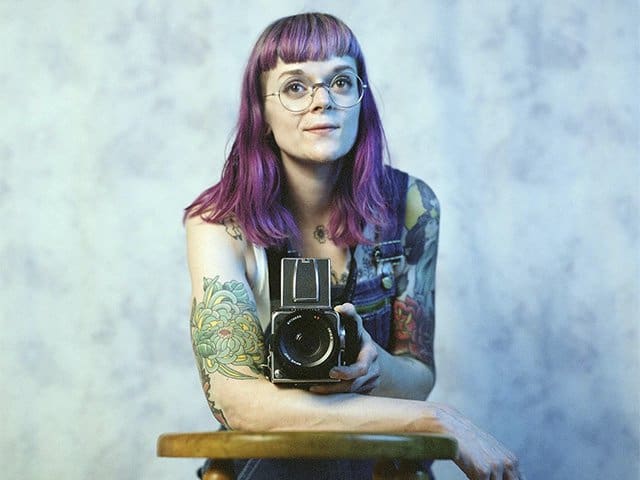
Portrait photography is more than just snapping a picture of someone; it’s about capturing their true spirit and personality. The secret weapon? Lighting. Without good light, even the best shot falls flat. Brightness shapes mood, reveals details, and makes faces pop, like magic. Did you know that changing your lighting can turn a dull photo into a stunning work of art? It’s true! Mastering lighting means learning tricks like how to use natural sunlight or create dramatic shadows — secrets most pros keep under wraps. Whether you’re just starting out or want to impress friends with your shots, understanding lighting will boost your skills fast. Keep reading, because mastering this one thing could turn your simple photos into eye-popping images everyone will stop and stare at.
The Essence of Lighting in Portrait Photography
Lighting in portrait photography is like the brush in the hands of a painter. It allows photographers to paint their subject with light and shadow, creating a visual narrative that conveys emotions, character, and depth. Whether it’s a serene, intimate portrait or a dramatic and moody one, the role of lighting is indispensable.
Natural Light: The Divine Illuminator
Natural light, with its delicate, warm, and ever-changing qualities, is a beloved choice among portrait photographers. The softness of morning light and the golden hour’s enchanting hues are often used to create an ethereal atmosphere. Moreover, natural light complements the subjects’ features, enhancing their beauty without artificial intervention.
Artificial Light: The Photographer’s Symphony
Artificial lighting, whether through studio lights, flash units, or reflectors, offers precise control over the portrait’s lighting conditions. This kind of lighting allows photographers to shape and mold the scene according to their vision. Softboxes, beauty dishes, and various light modifiers are their trusty tools to control intensity, direction, and quality.
The Play of Shadows and Highlights
In the world of portrait photography, shadows and highlights are your allies. They add depth, intrigue, and contrast to your images. Creating shadows that softly caress the subject’s face or highlights that accentuate their best features can transform an ordinary portrait into a work of art.
Lighting Techniques for Exceptional Portraits
1. Butterfly Lighting
Butterfly lighting is a classic technique that creates a small, butterfly-shaped shadow beneath the subject’s nose. It’s achieved by placing the light source directly above and slightly in front of the subject. This technique is perfect for glamour and beauty portraits.
2. Rembrandt Lighting
Named after the famous Dutch painter, Rembrandt lighting creates a distinctive triangle of light on the shadowed side of the subject’s face. It’s achieved by positioning the light source at a 45-degree angle to the subject and slightly above eye level. This technique is often used for portraits with a dramatic, classic feel.
3. Split Lighting
Split lighting is a bold and dramatic technique where one half of the subject’s face is in shadow, and the other half is well-lit. It’s achieved by positioning the light source at a 90-degree angle to the subject. This technique is ideal for creating striking and edgy portraits.
4. Broad Lighting
Broad lighting is a technique that illuminates the wider side of the subject’s face. It’s often used to make a subject’s face appear fuller and less angular. This technique can be useful when photographing individuals with narrow faces.
5. Short Lighting
Short lighting, on the other hand, illuminates the narrower side of the subject’s face. It’s an excellent choice for adding depth and drama to portraits. This technique is often used to create visually captivating and mysterious images.
The Importance of Lighting Accessories
To master the art of portrait photography, having the right lighting accessories is crucial. Softboxes, beauty dishes, reflectors, and gels can elevate your photography to the next level. These tools allow you to control the quality and direction of light, shape highlights and shadows, and create the desired mood for your portraits.
Conclusion: Lighting as the Key to Capturing Souls
In portrait photography, lighting is the key to capturing the essence and soul of your subject. Whether you prefer the subtlety of natural light or the precision of artificial lighting, understanding the interplay of light and shadow is essential. By mastering various lighting techniques and using the right accessories, you can create portraits that are not just photographs but visual stories that resonate with the viewers.
So, the next time you pick up your camera to capture a portrait, remember that you’re not just taking a picture; you’re illuminating a soul. For additional tips and ideas about photography, get started and learn more.