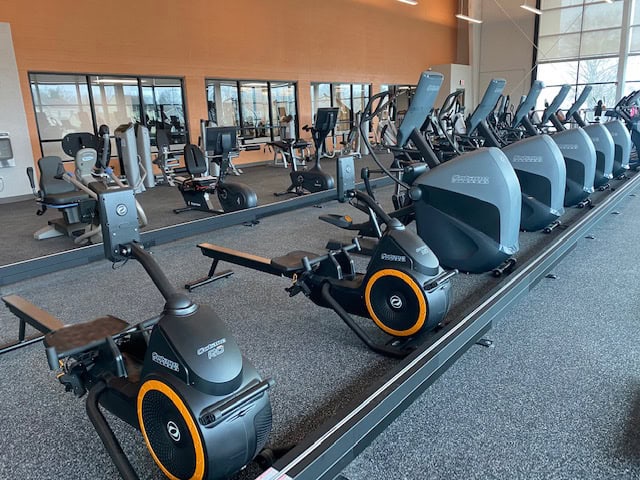
Investing in exercise equipment is like opening the door to better health. However, simply buying those shiny machines isn’t enough on its own. To ensure they last and function properly, proper maintenance is crucial. Regular upkeep keeps your equipment running smoothly and saves you money in the long run. Did you know that neglect can cause machines to break down twice as fast? Keep your gear clean, check the moving parts, and follow the instructions in the user manual—just like I do when my treadmill starts squeaking. A little attention now and then can make a big difference over time. Stay tuned for easy tips to help your workout equipment last for years because nobody wants a wobbly, squeaky machine when they’re ready to reach their goals.
Why Maintenance Matters
Regular maintenance of your exercise equipment is not just about keeping your gear looking nice; it is crucial for your safety, the longevity of the equipment, and your overall fitness experience. Here’s why maintenance matters:
Safety First
Neglecting maintenance can lead to accidents and injuries. Loose bolts, worn-out parts, or malfunctioning mechanisms can be dangerous. Regular inspections and maintenance can prevent accidents and keep you safe during your workouts.
Prolonged Lifespan
Exercise equipment is an investment. Proper maintenance can significantly extend the lifespan of your machines, saving you money in the long run. It’s far more cost-effective to maintain your equipment than to replace it prematurely.
Optimal Performance
A well-maintained machine performs at its best. You’ll get a more effective workout, helping you reach your fitness goals faster. Neglected equipment may not provide the resistance or support you need for a productive workout.
General Maintenance Tips
Now that you understand why maintenance is essential, let’s dive into some general maintenance tips that apply to various exercise equipment.
1. Regular Cleaning
Dust and sweat can accumulate on your equipment, leading to unpleasant odors and potentially damaging the surface. Clean your machines regularly with a damp cloth and a mild, non-abrasive cleaner. Be sure to wipe down handles, seats, and any touchpoints.
2. Lubrication
For machines with moving parts, like treadmills and ellipticals, proper lubrication is crucial. Consult your equipment’s manual for guidance on the type and frequency of lubrication required. Keeping the moving parts well-lubricated ensures a smooth and quiet operation.
3. Tighten Bolts and Screws
Regularly check for loose bolts and screws on your exercise equipment. Use the appropriate tools to tighten them as needed. Loose parts can lead to accidents and may damage your equipment over time.
4. Belt Tension
Treadmills and similar machines with belts need proper tension to function correctly. Check your equipment’s manual for instructions on adjusting belt tension, and perform this maintenance as needed to ensure a smooth and safe workout.
5. Monitor Electronic Components
For machines with electronic components, such as display screens or resistance control, monitor their functionality. Address any malfunctions promptly. If you’re unable to fix electronic issues, contact a professional technician for assistance.
6. Store Properly
If your exercise equipment is not in use, store it in a clean and dry environment. Avoid exposing it to extreme temperatures or humidity, as this can damage the equipment.
Specific Equipment Maintenance
Different exercise machines require specific maintenance. Here are some equipment-specific tips:
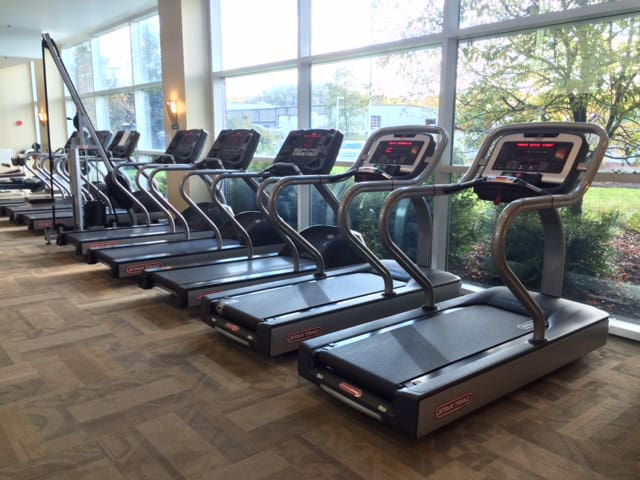
1. Treadmill Maintenance
- Clean the belt and deck regularly.
- Lubricate the belt as per the manufacturer’s instructions.
- Check the alignment of the belt.
- Inspect the motor for debris or dust.
2. Elliptical Maintenance
- Grease the rails if your elliptical has them.
- Check for loose pedals or handles.
- Inspect the resistance system.
3. Weight Machine Maintenance
- Clean the weight stacks and guide rods.
- Lubricate any moving parts.
- Inspect cables for wear and tear.
4. Exercise Bike Maintenance
- Check the pedals for stability.
- Inspect the resistance system.
- Ensure the seat is secure.
Professional Maintenance
Sometimes, maintenance requires the expertise of a professional. If you notice significant issues with your exercise equipment that you can’t address on your own, it’s best to call a technician. Regular professional maintenance can catch problems early and prevent major breakdowns. If you are interested in learning more about fitness equipment, visit this site here to learn more.
Conclusion
Properly maintaining and caring for your exercise equipment is essential for your safety, the longevity of your machines, and the effectiveness of your workouts. By following the tips mentioned in this article, you can enjoy your exercise equipment for years to come and stay on track with your fitness goals.